Threat
Candidate Impersonation: What It Is and How to Stop It
Candidate impersonation is when someone other than the real applicant completes your screening or shows up to do the job. Remote hiring stripped away the in-person checkpoints that used to catch it, and the problem is rising fast.
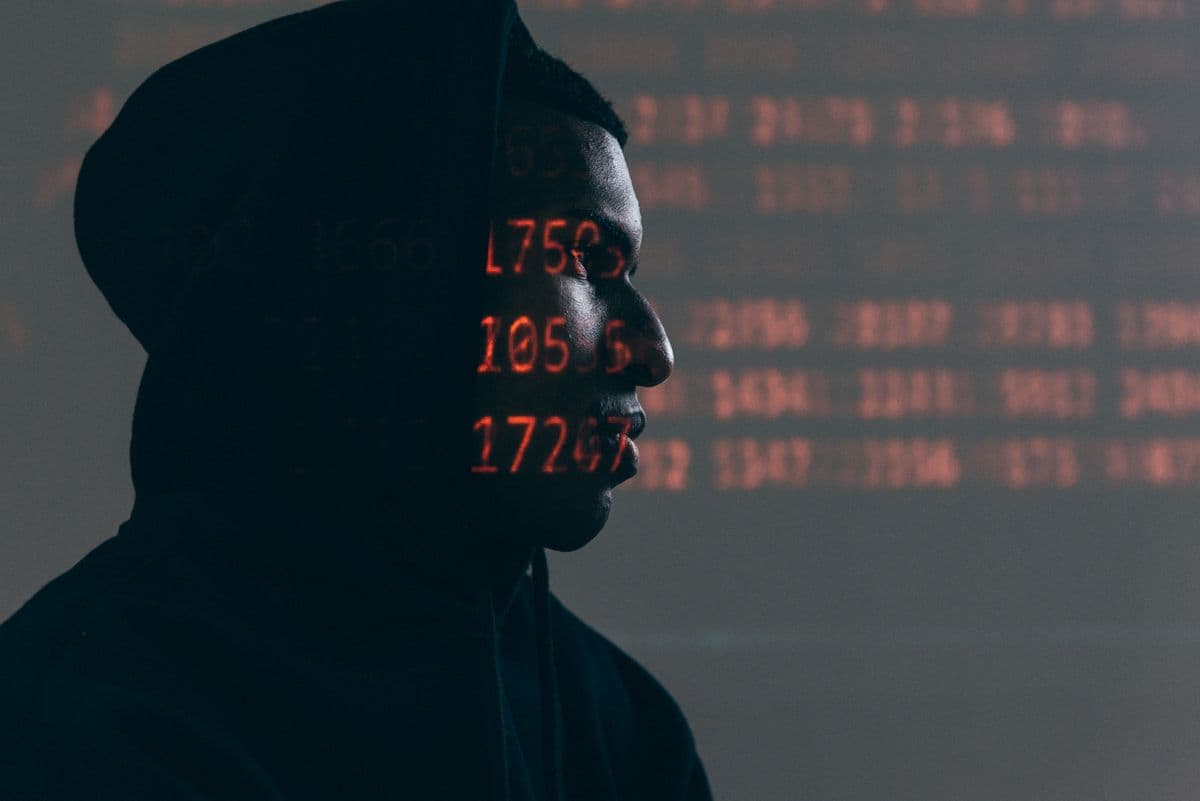
Candidate impersonation is when someone other than the genuine applicant completes your screening or interviews, or is hired under a stolen or borrowed identity.
You extend an offer to a strong applicant, only to find the person who logs in on day one is not the person you interviewed. Or the reference who vouched for a stellar hire turns out to be the same fraudster wearing a different name. This is candidate impersonation, and it has quietly become one of the most costly gaps in modern hiring.
The mechanics are simple, the damage is not. When the human you vetted is not the human you hired, every downstream control fails: the background check cleared a different person, the interview scored a different person, and the credentials you trusted belong to someone who may never touch the work.
What Candidate Impersonation Actually Is
Candidate impersonation is any scenario where someone other than the genuine applicant completes part of the hiring process or is ultimately hired under a stolen or borrowed identity. It is not a single trick but a category of fraud with a shared outcome: the person your records describe is not the person doing the job.
It ranges from the crude, a friend sitting in on a technical screen, to the sophisticated, a coordinated fraud ring using a real but stolen identity to place an operative inside your company. What unites them is that the deception targets the one thing most hiring processes never independently confirm: that the applicant is who they claim to be, in person.
How Candidate Impersonation Happens
Impersonation takes a handful of recognizable forms, and remote hiring makes every one of them easier to pull off:
- Proxy interviewers, one skilled person aces the screening and interviews while a different, less-qualified person is the one actually hired to do the work.
- Stolen-but-real identities, the applicant presents a genuine name, government-issued ID number, and clean history that belongs to someone else, so screening comes back clear because the identity is real, just not theirs.
- Deepfaked video, deepfaked video interviews and AI-generated faces let one person present as many, defeating selfie-to-ID and liveness checks on camera.
- Hired-then-swapped, the person who interviewed is legitimate, but once access is granted the seat is handed off to someone you never vetted at all.
Why Digital Screening Misses It
Most hiring stacks confirm that a set of credentials exists. They rarely confirm that the human presenting them is the rightful owner. A background check verifies a name and a history, not the body attached to them. An interview verifies whoever is on the call at that moment. Document-and-selfie checks verify pixels, which is exactly the layer deepfakes and injection attacks are built to defeat.
The deeper issue is asymmetry. Every digital signal, liveness detection, device fingerprinting, biometric matching, invites a matching digital countermeasure. Attackers only need to beat the system once, while your team has to be right every time. Impersonation thrives in that gap, because none of these checks require the applicant to be physically, provably present.
How to Stop Candidate Impersonation
The reliable defense is the oldest one: put the real applicant in a room and check their government-issued photo ID face-to-face. A traditional in-person interview caught most imposters before they were ever hired, because impersonation cannot survive a trained official examining a physical ID against the physical person holding it. The obstacle for remote-first teams is feasibility, not effectiveness, since applicants may be thousands of miles from any office.
The fix is to recreate that checkpoint without requiring a trip to headquarters. Reserve the strongest verification for the point of highest risk, typically after an offer and before any system access, and require the applicant to confirm their identity in person at a known location. A legitimate hire will happily spend fifteen minutes doing so. An impersonator tends to vanish the moment real, physical verification is required, which is itself a signal. For the full playbook, see our proven strategies for stopping fake candidates.
How PinpointVerify Stops Impersonation
PinpointVerify is the in-person verification layer that impersonation can't survive. You submit a verification, and we coordinate a meeting between your applicant and a state-licensed notary who examines their government-issued photo ID face-to-face at a confirmed location. Not through a camera, not from an uploaded image, in person.
Crucially, there is no remote shortcut to that step. An impersonator cannot send a stand-in to a notary and pass the way they can behind a webcam or an uploaded file.
A stolen identity, a proxy interviewer, or a deepfake can defeat a resume, a video call, and a document upload. None of them can put the wrong person in front of a state-licensed notary and pass. That is the layer that confirms your applicant is real, correctly identified, and where they claim to be, before you ever hand over access.
Frequently Asked Questions
What is candidate impersonation in hiring?
Candidate impersonation is when the person who applies, interviews, or gets hired is not the genuine individual behind the credentials. It ranges from a proxy sitting in on an interview to an operative hired under a stolen but real identity.
How can you detect a proxy interviewer?
Watch for audio and video that lag the person's lip movements, reluctance to switch to an unscheduled call or turn on the camera, and fluency that shifts between sessions. The reliable confirmation is an independent in-person identity check that a stand-in cannot pass.
Can candidate impersonation happen after someone is hired?
Yes. A legitimate applicant can interview and then hand their credentials to someone you never vetted, so the person doing the work differs from the person you hired.
Related Reading
Ready to shut down impersonation?
Custom pricing based on your team and volume. No subscription, no integration. Your applicant meets a notary, and you get a notarized document.